
Vol.1 - Go or No-Go?Market Research and the Decision to Enter Japan

By ENJIN Staff
 - December 23rd, 2025 - 

Marc_Einstein_FV


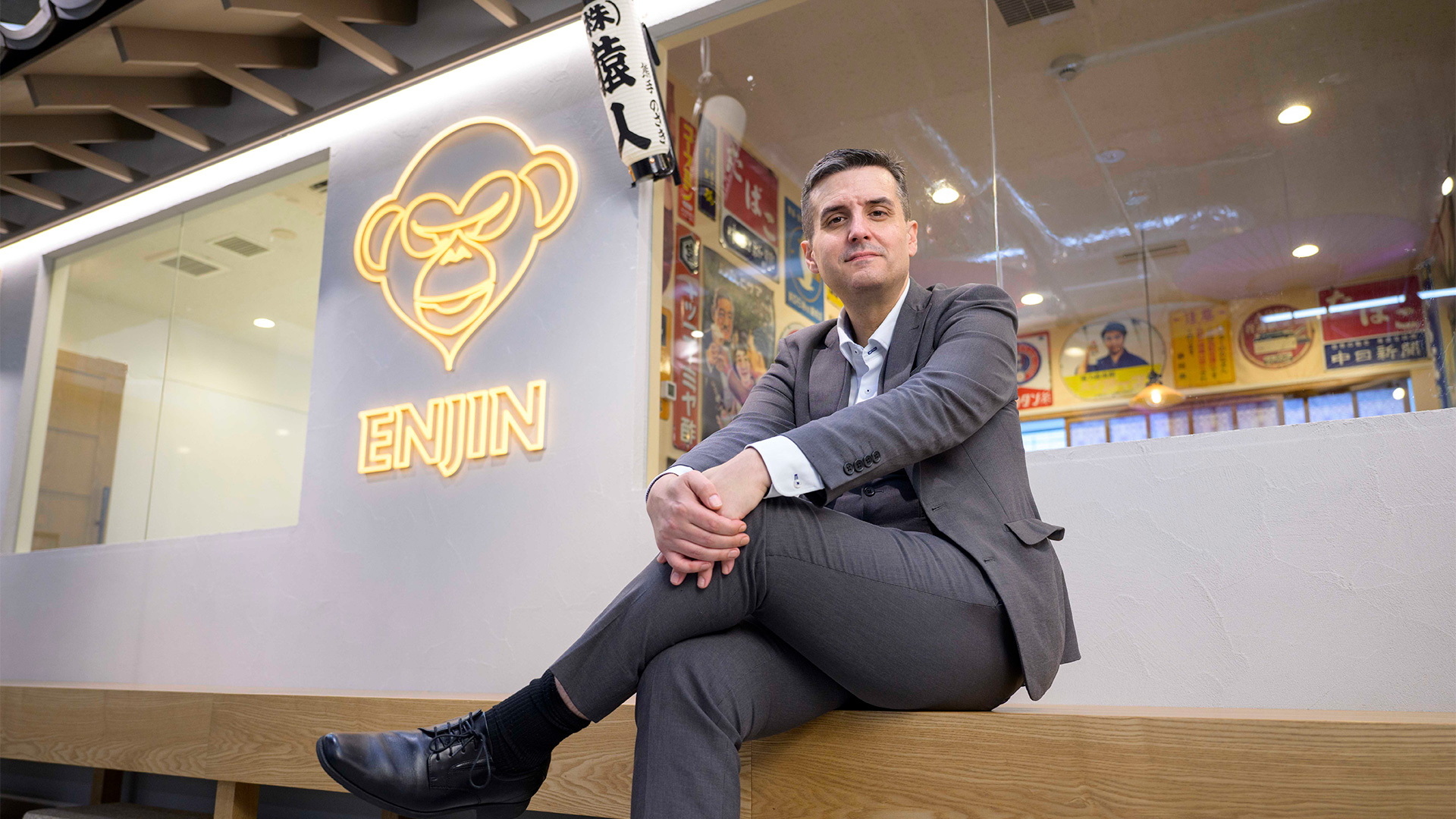
Marc Einstein, a seasoned technology analyst with over 15 years of experience in Japan, shares his unique perspective on what it takes for foreign companies to succeed in the Japanese market. Drawing on his roles at global consulting firms and Japanese IT research companies, Marc offers both insider and outsider insights into the evolving landscape.

Insider & Outsider: Marc’s Journey in Japan

Q: Marc, can you tell us about your career path and how you came to focus on Japan?

A: I moved from Singapore to Tokyo about 15 years ago and started out at an American consulting firm. Later, I took on a strategy role at a Japanese game company, which gave me valuable experience inside a purely domestic environment. But the most defining part of my career was joining a major Japanese IT research firm as their first—and still only—foreign employee, where I stayed for seven years. That mix of experiences, especially working inside a Japanese company, gave me deep insight into how foreign firms see Japan—and more importantly, how Japanese companies make purchasing and strategic decisions. Having both the insider and outsider perspective is really my strength today.

The Shift Toward Foreign Vendors

Q: What’s the biggest change you’ve seen in Japan’s business environment for foreign tech companies over the last decade?

A: The change has been huge. Fifteen years ago, Japanese enterprises defaulted to domestic vendors—names like Fujitsu, Hitachi, NEC. That was just how things were done. Today, that’s no longer the whole story. Japanese companies are much more willing to work with foreign tech vendors and adopt specialized technologies from overseas. A non-Japanese solution no longer gets an automatic “no.” Part of that is the need for digital transformation, and part is the normalization of startups in Japan—you now have unicorns like Sakana AI, and the ecosystem is far more mature. There’s now a very clear “Go” signal for foreign firms that are serious about doing things properly.

COVID-19 and Cultural Change

Q: How did the COVID-19 pandemic affect Japanese business culture?

A: The change has been huge. Fifteen years ago, Japanese enterprises defaulted to domestic vendors—names like Fujitsu, Hitachi, NEC. That was just how things were done. Today, that’s no longer the whole story. Japanese companies are much more willing to work with foreign tech vendors and adopt specialized technologies from overseas. A non-Japanese solution no longer gets an automatic “no.” Part of that is the need for digital transformation, and part is the normalization of startups in Japan—you now have unicorns like Sakana AI, and the ecosystem is far more mature. There’s now a very clear “Go” signal for foreign firms that are serious about doing things properly.

Experimentation and Startup Scouting

Q: Are Japanese companies becoming more experimental?

A: Absolutely. There’s been a real increase in “startup scouting” requests. Ten years ago, this wasn’t even a thing, but now I’m often asked to help find overseas startups in areas like IoT and AI. It’s clear that Japanese companies are much more curious about what’s happening globally.

The Realities of Localization

Q: What are the real localization challenges you see on the ground?

A: The biggest misconception is thinking localization just means “translation.” It’s not. It’s much deeper than that, and it’s very operational. You need to align your contracts with Japanese commercial practice and regulation, adapt your post-sales support model to Japanese expectations, and define escalation procedures that satisfy local standards of reliability and risk management. Japanese customers look at the continuity and quality of the entire service. If you don’t understand that operational side of localization, you risk hitting a wall at the contracting stage.

Go or No-Go: The Decision and Its Realities

Q: What’s most important when making a “Go or No-Go” decision about entering Japan?

A: Entering Japan requires significant investment and time. Many companies fail because they enter without sufficient research. Understanding Japan’s unique business customs and decision-making processes, and starting small while continuously improving (kaizen), are keys to success. In Japan, growth is often not linear; it tends to start slowly and then suddenly accelerate, like a hockey stick.

Marc_Einstein_01

Partner Selection and Local Networks

Q:What are some key points or success stories regarding partner selection?

A:For example, Slovakia’s ESET chose Canon as its partner when entering Japan and built a strong presence in the SMB market. Netflix also succeeded by partnering with a Japanese remote control manufacturer. It’s important not to try to do everything yourself, but to choose a reliable local partner. When selecting partners, you should look beyond just famous companies and consider a wide range of industries and company sizes.

Failure Patterns and HQ Gaps

Q: What are some common patterns of failure?

A: There are often gaps in expectations regarding sales targets and growth speed between headquarters and the Japanese subsidiary. Japan has one of the longest sales cycles in the world, and it’s not uncommon for it to take over a year to build brand recognition. It’s important to understand the local sales cycle and decision-making process, and to ensure that HQ has realistic expectations.

Building Trust: The Japanese Way

Q: What’s most important for building trust with Japanese clients?

A: In Japan, trust is built on always keeping your word. For example, if you promise a 50-page report, you must deliver exactly 50 pages, not 49. Deadlines must be met to the minute. On the other hand, if you can under-promise and over-deliver, you can build long-term relationships.

Local Presence and Digital Touchpoints

Q: Any advice on local offices or website operations?

A: Having a local office or staff provides great reassurance to customers. A Japanese-language website is also important, but it’s not enough to just translate it—you need to update it regularly and include Japan-specific information such as access directions, phone numbers, and fax numbers to build trust.

HR, Legal, and Labor Pitfalls

Q: What should companies be careful about regarding HR and legal matters?

A: Japanese labor laws and employment practices are very different from those overseas. For example, you can’t fire people as easily as in the US. It’s essential to work with local experts or partners to ensure compliance and proper labor management.

Advice for Startups

Q: What are the keys for startups to succeed in Japan?

A: What are the keys for startups to succeed in Japan?
A: It’s important to actively participate in local communities, such as startup communities, industry groups, and events hosted by embassies. Building a network is the key to success.

Ready to Take the Next Step?

For a practical guide to determining “Go or No-Go” for entering the Japanese market—as well as details on operational
quality, localization, and partner strategies—download our white paper,
“Test Marketing and Decision-Making for Entering the Japanese Market,” supervised by Marc Einstein.

Inside, you’ll find:
・The latest market trends and fundamental shifts
・The essence of Japanese operational quality and localization
・Partner strategies and how to leverage global expansion
・First steps using existing networks
・Implementation checklists and more


Download the white paper now.

Related Articles

First Steps in Japan: Realistic Expectations and Early-Stage Strategy - vol2

Common early-stage pitfalls in Japan, from expectations to hiring.
From Booths to Business: Event Strategy and Trust-Building in Japan - vol3

Using events as trust triggers in the Japanese market.

Startup support_en02
Working Together on the Go-to-Market Strategy of a New Business
Supporting a major SIer_en01
Synergy Effects from Business Unit Marketing Support & Corporate Marketing Support

Supporting a SaaS company_en

Completely Overhauling the Marketing Strategy

Back

INQUIRY

Contact

We support brand penetration in and
creation of business opportunities.

CONTACT US